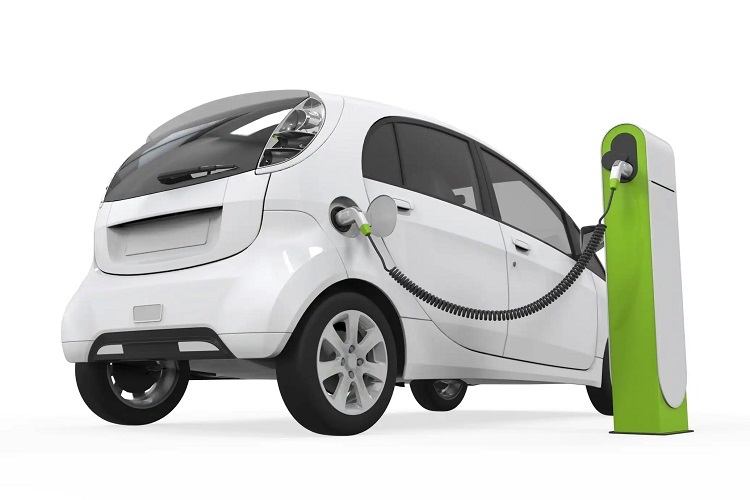
The transportation sector has always been a backbone of business operations, from logistics to employee mobility. With sustainability taking center stage, many companies are rethinking their fleet strategies. A growing number of businesses are transitioning from traditional combustion-engine vehicles to electric vehicles (EVs). This shift is not only driven by environmental considerations but also by economic and technological advantages that EV fleets offer.
The change isn’t limited to small pilot projects. Across industries—delivery services, ride-hailing companies, public transportation providers, and even corporate fleets—electric mobility is becoming a mainstream business decision. The question is no longer if businesses will adopt EVs, but when.
The Push for Sustainability
One of the strongest motivators behind the switch to electric fleets is sustainability. Businesses are under increasing pressure from consumers, investors, and regulators to reduce their carbon footprint. Traditional fleet vehicles contribute significantly to greenhouse gas emissions, making them a clear target for sustainability initiatives.
By adopting EV fleets, companies can significantly reduce their direct emissions. Moreover, electric vehicles align with broader environmental, social, and governance (ESG) goals that many corporations now prioritize. This alignment not only enhances corporate reputation but can also open doors to funding and partnerships that are tied to sustainability benchmarks.
Cost Advantages: Beyond Fuel Savings
While environmental impact is crucial, the financial case for EV fleets is equally compelling. Electric vehicles often come with a higher upfront cost compared to traditional vehicles, but businesses are looking at the bigger picture—total cost of ownership (TCO).
- Lower Fuel Costs: Electricity is generally cheaper than gasoline or diesel, and charging infrastructure is becoming more accessible.
- Reduced Maintenance: EVs have fewer moving parts, which translates into lower maintenance costs and fewer breakdowns.
- Government Incentives: Many regions offer tax breaks, subsidies, and rebates that make EV adoption more affordable.
Over the lifespan of a vehicle, these savings can offset initial expenses and even create long-term financial advantages. Businesses that manage large fleets are especially sensitive to operating costs, which is why EV adoption is becoming an attractive strategy.
Technology and Data Integration
Another major reason businesses are switching to EV fleets is the technological integration they bring. Many EVs come equipped with advanced telematics and connectivity features that help fleet managers track performance, energy consumption, and driving behavior in real time.
This data-driven approach allows companies to optimize routes, monitor efficiency, and predict maintenance needs. For fleet-heavy industries, these insights can make operations more streamlined and cost-effective. Platforms like evblogs.in often highlight how these connected solutions enhance the decision-making process for businesses transitioning into electric mobility, offering case studies and practical examples of fleet management strategies.
Meeting Consumer Expectations
Today’s consumers are more environmentally conscious than ever before. Many people prefer to support businesses that demonstrate a commitment to sustainability. This is especially true in industries where customer perception is crucial, such as e-commerce, ride-hailing, or food delivery.
For example, a delivery service that operates EV vans can position itself as eco-friendly, giving it a competitive edge over rivals that still use traditional vehicles. Similarly, companies that provide green mobility options for employees demonstrate corporate responsibility, which can enhance brand image and employee satisfaction.
Charging Infrastructure: A Key Consideration
Despite the advantages, one of the biggest challenges in adopting EV fleets is ensuring sufficient charging infrastructure. For businesses, this means more than just finding public charging stations—it involves creating a reliable and scalable charging ecosystem.
Some companies are investing in private charging stations at depots or offices, while others are exploring partnerships with energy providers. Fast-charging technologies and fleet-specific solutions, such as scheduled charging during off-peak hours, are helping overcome this hurdle.
As technology evolves, battery ranges are extending, and charging times are shrinking. This progress makes EV fleets more practical even for long-haul logistics or industries where vehicles are in constant use.
Regulatory Drivers and Market Trends
Governments worldwide are implementing stricter emissions standards and setting ambitious timelines for phasing out internal combustion engines. For businesses, this regulatory environment makes early adoption of EV fleets not just strategic but essential.
Additionally, many large corporations have made public pledges to achieve net-zero emissions within specific timelines. Switching to EV fleets is often a central pillar in achieving these commitments.
Market trends also play a role. Automakers are ramping up their EV offerings, ensuring that fleet operators have a wide range of models to choose from. From compact cars to heavy-duty trucks, the EV market is expanding rapidly, providing businesses with more flexibility and options than ever before.
Case Studies: Businesses Leading the Way
Several global players are already demonstrating the success of EV fleet adoption.
- Logistics companies are rolling out electric delivery vans to reduce costs and emissions in urban areas.
- Ride-hailing services are incentivizing drivers to switch to EVs, aligning with customer demand for greener transport options.
- Public transportation authorities are replacing diesel buses with electric models, improving air quality in cities while lowering operational expenses.
These real-world applications show that the benefits of EV fleets are not just theoretical—they are already being realized.
Overcoming Challenges
Despite the momentum, businesses face challenges when adopting EV fleets. Some of these include:
- Range Anxiety: Concerns about whether vehicles can travel long distances without recharging.
- Initial Investment: Higher upfront costs may deter smaller businesses.
- Infrastructure Gaps: Charging availability can still be inconsistent in some regions.
Solutions are emerging, such as battery-swapping technologies, portable charging solutions, and flexible financing models. Companies are also experimenting with mixed fleets—using EVs for short-distance urban travel while maintaining traditional vehicles for long-haul operations.
The Road Ahead
The transition to EV fleets is still in its early stages, but the direction is clear. As technology advances, costs decrease, and infrastructure improves, EV fleets will likely become the norm rather than the exception. Businesses that adopt early will enjoy not only financial and environmental benefits but also a stronger market position.
The future of mobility is electric, and fleets are at the forefront of this transformation. Companies that embrace this change today are setting themselves up for long-term success in an increasingly sustainability-driven world.