Hurricane season brings heavy rain, strong winds, and unpredictable road conditions. Even a short drive can feel different when visibility drops and roads become slick. Preparing your vehicle ahead of time is one of the easiest ways to reduce stress and stay safer when storms arrive. A few simple checks can make a big difference, especially when you focus on tires, wipers, brakes, and a well-stocked emergency kit.
Check Your Tires Before the Storm Hits
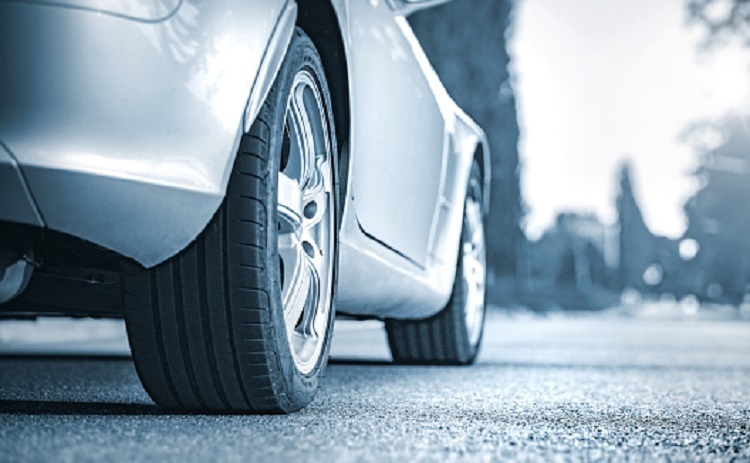
Tires are your vehicle’s only contact with the road, so their condition matters even more during hurricane season. Wet pavement reduces traction, and worn tires struggle to grip the surface. Start by checking tread depth. If the tread looks shallow or uneven, it may be time for replacement.
Proper tire pressure is just as important. Underinflated tires can increase the risk of hydroplaning, while overinflated tires reduce stability. Use the recommended PSI listed on the driver’s door sticker or in your manual. It only takes a few minutes, but it helps maintain better control in heavy rain.
Also look for cracks, bulges, or objects stuck in the rubber. Storm debris often ends up on roads, and weak tires are more vulnerable to damage.
Don’t Ignore Your Windshield Wipers
Clear visibility becomes essential during downpours. Old wiper blades tend to streak, skip, or leave blurry patches on the windshield. If you notice squeaking sounds or uneven wiping, replacing the blades is a simple upgrade that can improve your driving confidence immediately.
Make sure your washer fluid reservoir is full as well. Dirt and salt spray can build up quickly when rain mixes with road grime. A clean windshield helps you react faster to changing conditions.
Some drivers also apply a water-repellent coating to their windshield. While not required, it can help rain slide off more easily and reduce glare during nighttime storms.
Inspect Brakes for Consistent Stopping Power
Wet roads increase stopping distance, so your braking system needs to be in good condition. Listen for squealing, grinding, or vibration when you press the pedal. These sounds often signal worn brake pads or uneven rotor surfaces.
Pay attention to how the pedal feels. If it feels soft or spongy, it may indicate air in the brake lines or moisture contamination in the brake fluid. Hurricane season adds extra strain on brakes because of frequent stopping in traffic and slippery conditions.
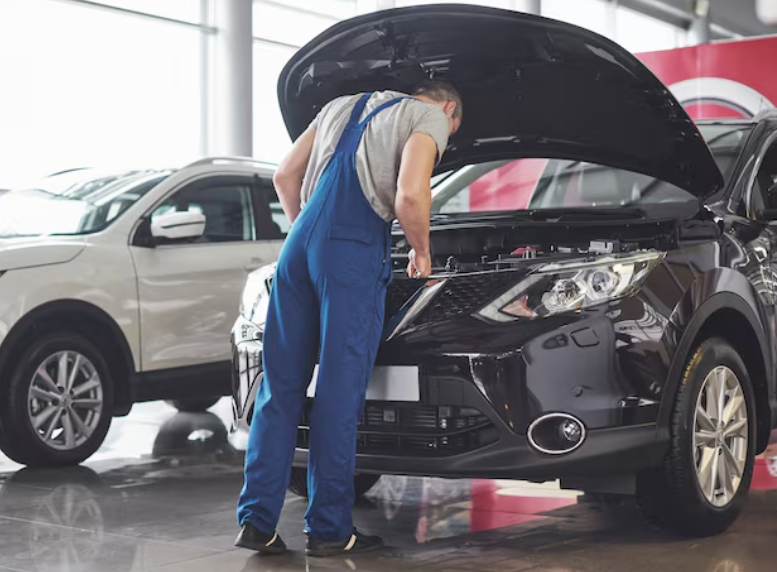
Regular inspections help catch issues early. Strong, responsive brakes make sudden stops more predictable when weather conditions change quickly.
Build a Practical Emergency Kit
Storms can cause road closures, flooding, or unexpected delays. Keeping an emergency kit in your vehicle ensures you are prepared even if plans change. The goal is not to pack everything possible, but to focus on items that help you stay safe and comfortable.
Consider including:
- A flashlight with extra batteries
- Bottled water and non-perishable snacks
- A portable phone charger or power bank
- Basic first aid supplies
- Reflective warning triangles or a safety vest
- A small blanket or towel
- Rain poncho or waterproof jacket
If you live in an area prone to flooding, adding a window breaker tool and a small emergency whistle can also be helpful.
Small Habits That Make a Big Difference
Preparation is not only about equipment. Driving habits matter too. Slow down during heavy rain, increase following distance, and avoid sudden steering movements. Even a well-maintained vehicle needs extra caution when visibility drops.
Try to plan routes ahead of time, especially if you know certain streets tend to flood. Keeping your fuel tank at least half full during hurricane season also reduces the stress of searching for gas during emergencies.
Final Thoughts
Hurricane season driving prep does not have to feel complicated. Checking your tires, replacing worn wipers, inspecting brakes, and building a simple emergency kit can help you stay ready for unpredictable weather. These small steps support better control, clearer visibility, and more peace of mind when storms roll in.
Preparing your vehicle now means fewer surprises later. When the rain starts falling and the roads change, you will feel more confident knowing your car is ready to handle the conditions ahead.
This post was written by a professional at Tires2Go Florida. Tires2Go Florida is a trusted automotive service center located in Pinellas Park, Florida, serving drivers across St. Petersburg, Tampa, Clearwater, and Largo. Our certified mechanics handle tire and wheel replacement, brake service, suspension repairs, oil change Clearwater, wheel alignments, tire balancing, and road force balancing. We also specialize in ADAS calibration, suspension modifications, lift kits, and lowering kits using quality parts and modern diagnostic equipment. From routine maintenance to advanced automotive services, Tires2Go Florida provides dependable solutions and tires for sale for vehicles throughout the Tampa Bay area.